Dryer Vent Safety: A Homeowner’s Checklist for Assessment and Maintenance
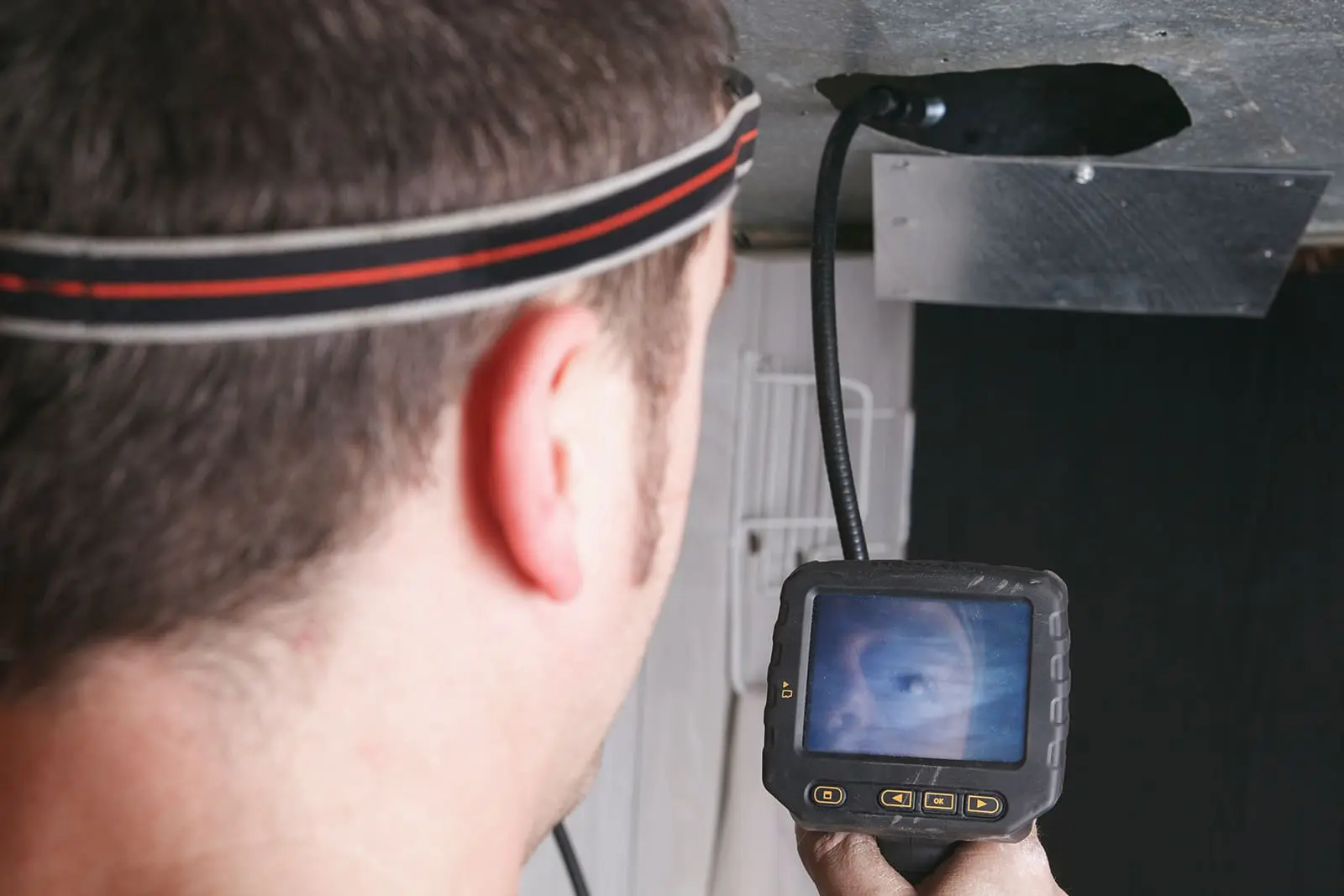
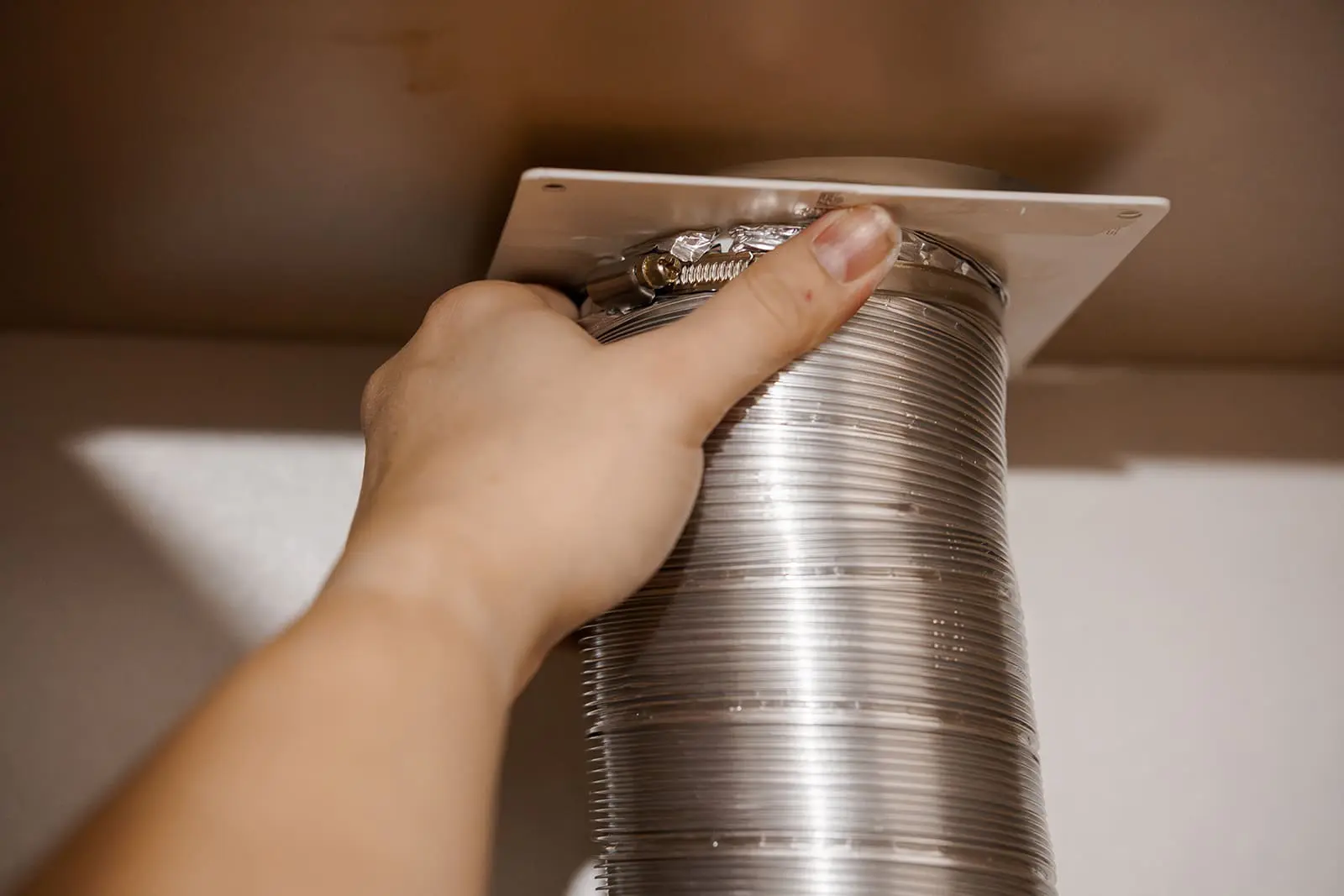
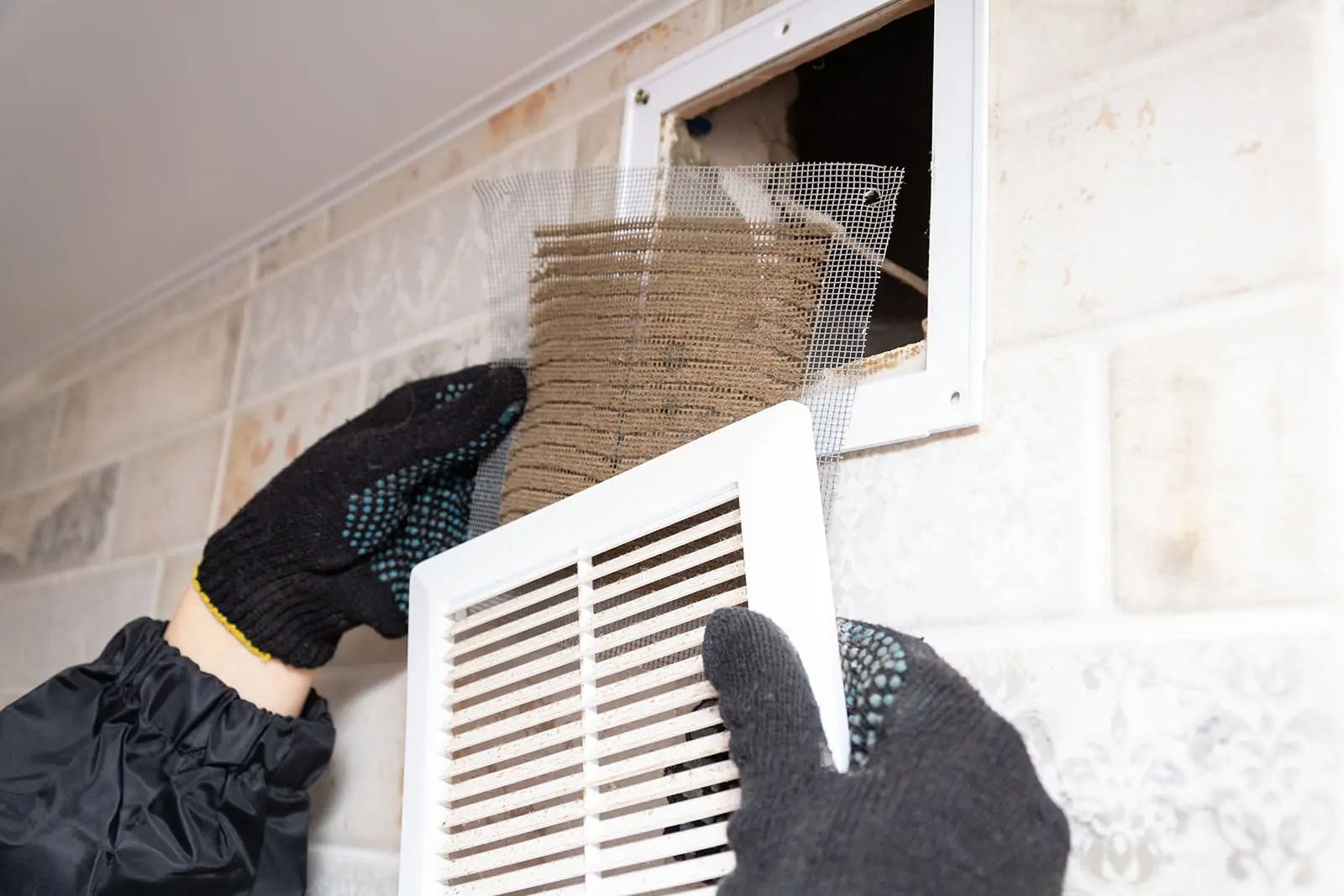
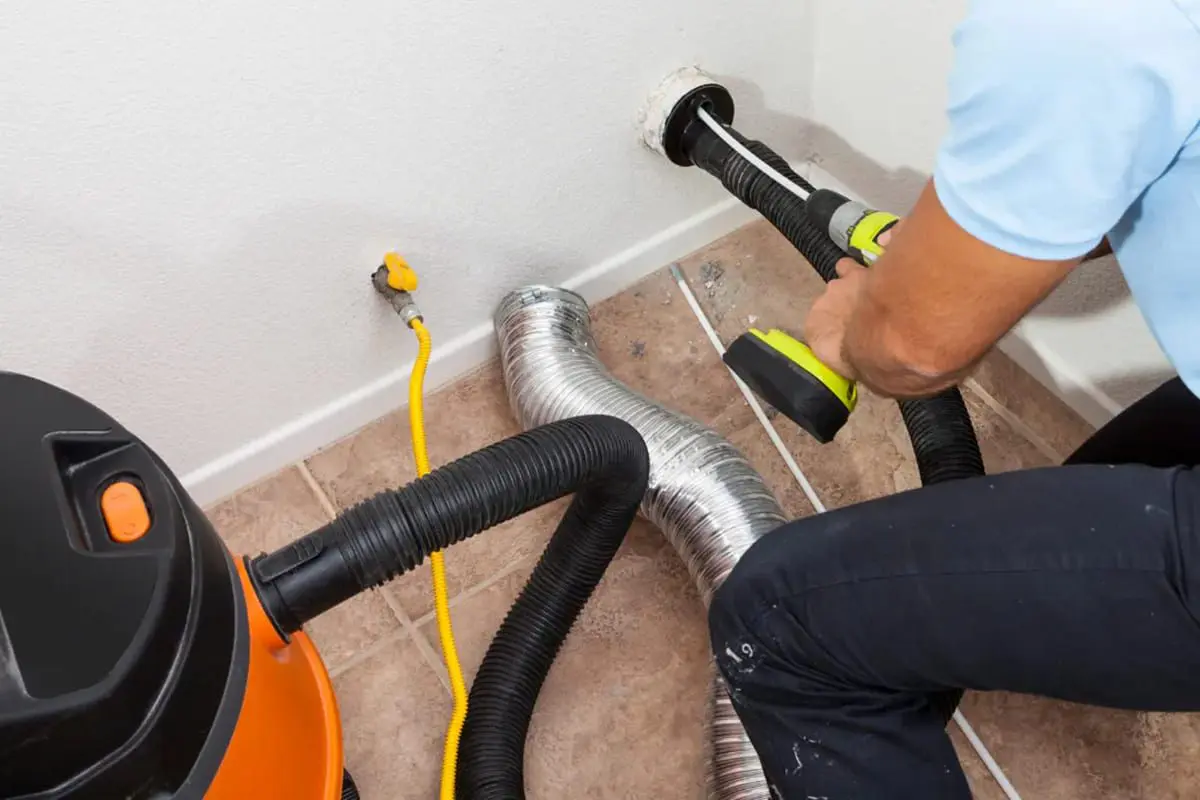


Dryer vents are essential to your home but can be hazardous if improperly installed or maintained. Our dryer vent safety checklist helps ensure your dryer venting system is installed correctly and operating safely and efficiently, protecting your property and family.
A poorly installed or maintained dryer vent system can lead to excess moisture buildup, reduced efficiency, and potential safety hazards. That’s why the requirements outlined in Section 504 of the Georgia State Minimum Standard Mechanical Code are necessary.
If you own an older home, ensuring that your dryer vent system complies with the current building code requirements is imperative. Over time, ducts can become damaged or clogged with lint and debris, leading to reduced efficiency and even fire hazards.
To help you protect your home and family, we’ve compiled simple checklist of items to look for when assessing your dryer vent system. While we can’t guarantee that this list will help you identify every lurking issue, it’s an excellent place to start identifying the most obvious problems.
Follow this easy checklist to assess your dryer vent system’s safety, including checking the vent’s location, material, presence of a backdraft damper, cleanliness, termination, and other necessary measures.
While our checklist provides an excellent starting point, other code requirements may apply. It’s always best to contact a dryer vent specialist for assistance in correcting issues and ensuring safety compliance.
Error codes can be frustrating, but they’re often a sign that your dryer vent needs attention. Don’t let a small issue become a costly or dangerous problem. At Dynasty Ducts, we specialize in professional vent cleaning to eliminate blockages, remove residue, and improve dryer performance.
Call us today for a free quote and let us help keep your dryer running safely and efficiently!

As a new homeowner, understanding home maintenance can feel like learning a new language. One crucial aspect is ensuring your appliances, such as your clothes dryer, are well-maintained. This not only optimizes their performance and improves energy efficiency but also increases their lifespan. The dryer vent, along with its connections, plays a critical role in…